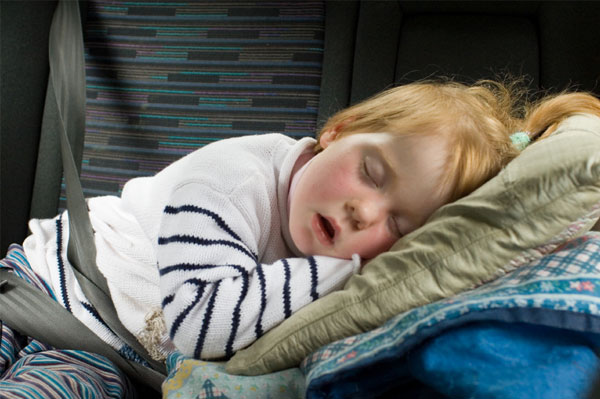
If you think that snoring is only a problem for adults, then you are wrong. Some toddlers even have snoring problems. There are some people who think that snoring in toddlers is cute, however, snoring problems in toddlers may be caused by an underlying medical condition or serious sleep disorders. 3 percent of toddlers who snore are diagnosed with sleep apnea, which can be a life threatening disorder, wherein there will be several periods of apneic episodes (cessation of breathing) during sleep. If you have a child that is a toddler and you noticed that he or she snores while sleeping, then it will be best if you will bring her to a doctor to be properly diagnosed.
Causes of Snoring in Toddlers
Aside from sleep apnea as a possible cause for snoring in toddlers, there are still a lot of possible factors that can cause the snoring problems of your toddlers. Here are some of the common causes of snoring in toddlers:
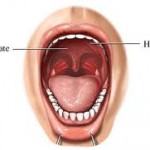
- Enlarged Tonsils and Adenoids – the most common cause of snoring problems in toddlers
- Nasal Obstruction – this can happen during allergic reactions
- Deviated Septum (Nasal Septum Deviation) – a condition in which the nasal septum is deviated to one side of the nostril, which can cause nasal obstruction
- Upper Respiratory Tract Infection (URTI)
- Overweight or Obesity in Toddlers
- Cleft Palate
- Receding Chin
Snoring in Toddlers Considered to be NORMAL
Occasional snoring in toddlers can be considered normal. Other characteristics of snoring in toddlers that is considered to be normal is when the rhythm of his or her snore is steady, and usually, a steady rhythm of snoring in toddlers will stop when the toddler enters into the next stage of sleep. When your toddler is also suffering from colds or allergies that can cause nasal congestion, snoring will most likely happen.
Snoring in Toddlers Considered to be ABNORMAL
If the snoring of your toddler persists for more than 3 days a week with several pauses of breathing during sleep, then that snoring problem is not normal anymore. If your toddler seems to gasp for air several times per night and snores, he or she is most likely to be suffering from sleep apnea. As mentioned earlier, sleep apnea can be a life-threatening sleep disorder that needs immediate treatment. Toddlers with sleep apnea can’t have the right amount and quality of sleep. Proper sleep in toddlers is very important, since they are in a stage of growth and development.